Skip to content

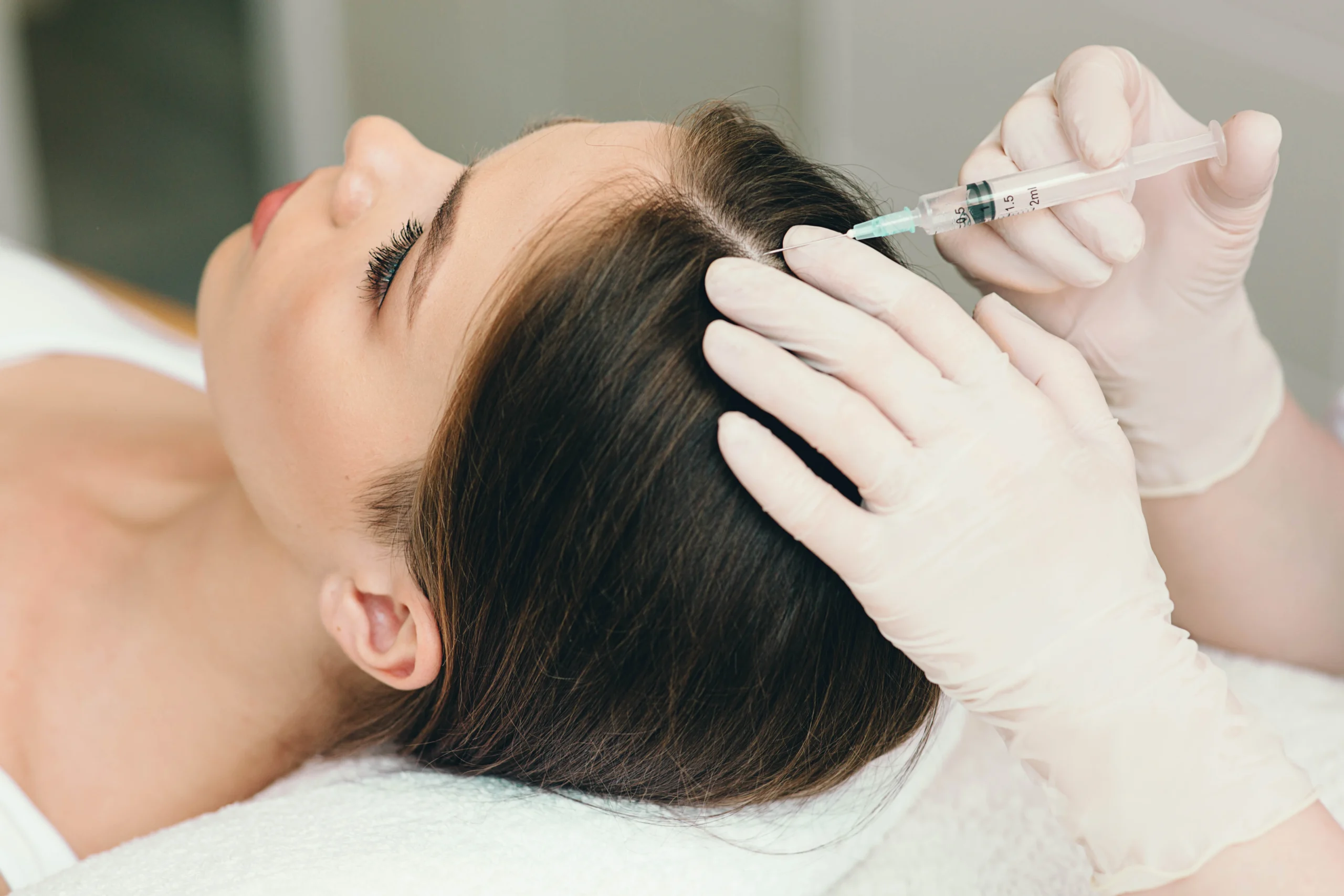
Table of Contents
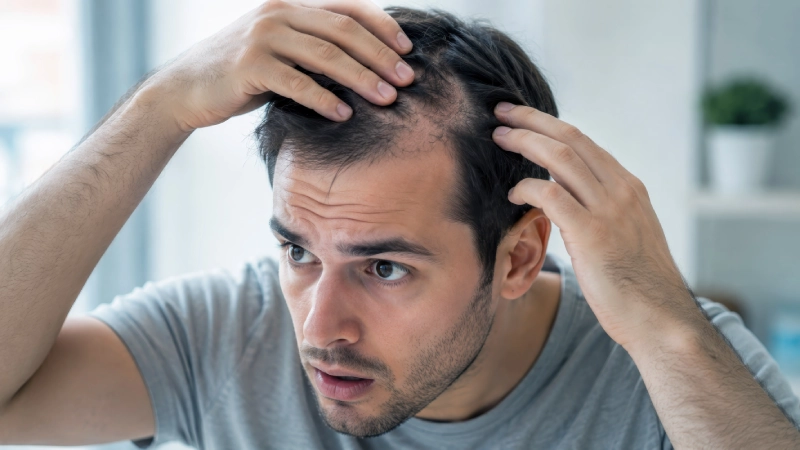
Finding more hair in the shower drain can be a wake-up call. Maybe your part looks wider in photos, or your ponytail does not feel as thick as it did last year. Most people notice quietly for months before they search for anything.
Here is the honest answer first. No single hair restoration treatment is best for thinning hair. The right one depends on what is causing your thinning and how early you catch it, and that is how we approach hair restoration in Redmond, WA.
Why Does Hair Restoration Work On Some People But Not Others?
Hair restoration works best when the treatment matches the cause of the thinning, and there are still active follicles to support. Genetics, medications, stress, and nutritional gaps all produce thinning that looks similar but behaves differently underneath. Most options support follicles that are still producing, so results vary, and a scalp assessment is the most reliable way to know what will help.
Why Your Cause of Thinning Decides Your Treatment
Your cause determines which treatments can realistically help, so the same product can change one person’s hair and do nothing for their friend.
Thinning has several common drivers, including genetics, certain medications, stretches of high stress, and nutritional gaps. They can look identical in the mirror and behave very differently underneath. Postpartum and stress-related shedding often involve many follicles pausing at once, while inherited pattern thinning is a slower narrowing of individual hairs over years.
Timing matters too. Nearly every hair growth treatment works by supporting follicles that are still alive and producing. Once a follicle has been quiet for a long stretch, there is much less to work with, and anyone naming a best option without knowing your stage is guessing.
The Main Options for Thinning Hair, Side by Side
Most hair thinning treatment options fall into three groups: things you do daily at home, things done in an office on a schedule, and surgery.
- Topical minoxidil is applied daily and works for as long as you keep using it.
- Oral prescription medications require a physician evaluation and ongoing use.
- Nutraceutical supplements such as Nutrafol® address nutritional and stress-related factors from the inside.
- Microneedling creates controlled micro-injuries that encourage circulation and the scalp’s own repair response.
- PRF scalp injections concentrate growth factors from your own blood into thinning areas.
- You can use low-level laser devices at home several times a week.
- Surgical transplant relocates follicles and is generally reserved for advanced loss.
So you are choosing between daily effort, scheduled clinical time, or surgery. These are not either-or choices either. Many people continue minoxidil while adding in-office treatment, common in hair restoration for women and hair restoration for men alike.
What Platelet-Rich Fibrin Actually Does for Hair
Platelet-rich fibrin, or PRF, concentrates platelets and growth factors from a small blood sample, then injects them into thinning areas of the scalp to support weakened or inactive follicles. It’s in the same family as PRP hair restoration, but it’s prepared without added chemicals, and the fibrin holds those growth factors in place longer.
At Eastside Aesthetics, we pair these injections with microneedling using AnteAGE MD® Hair Microneedling Serum, which adds twelve bio-identical growth factors. The appointment takes about an hour. Mild swelling, itching, and soreness are common afterward, and bruising is possible, though most clients return to daily activities right away.
Who Each Option Tends to Suit Best
Early-stage thinning opens the most doors, including PRF, which tends to work best while follicles still have activity to support.
If daily medication does not fit your life, in-office options are worth raising with a provider. If your loss is advanced and the scalp shows little remaining activity, a surgical consultation is usually the more honest direction.
Candidacy is individual. Pregnancy and postpartum status, current medications, and any bleeding or clotting factors all affect what is appropriate, and none of that is something to decide from an article.
What a Realistic Timeline Looks Like
No thinning-hair option works in two weeks, and any promise otherwise should make you cautious.
At Eastside Aesthetics, treatment typically begins with four consecutive monthly sessions, followed by quarterly treatments to maintain results. New hair regrowth generally appears 2 to 3 months after the initial series finishes, and many clients notice reduced shedding before then, though individual responses vary.
Results aren’t permanent, and maintenance is part of the plan, not a sign something failed. The more useful question is not which treatment works fastest, but which one you are willing to keep up with.
Common Questions About Hair Restoration
Does PRF hair restoration hurt?
Most clients tolerate the injections well. Mild soreness, swelling, and itching are common for a few days afterward, and bruising is possible. Discomfort is typically short-lived, and most people return to normal activity the same day.
Can I keep using minoxidil during treatment?
Yes, in most cases. You can generally continue minoxidil and hormone-blocking agents leading up to a session, then wait about three days afterward before resuming. Your provider will confirm what fits your specific plan.
How do I know if my thinning is early enough to treat?
A scalp assessment is the only reliable way to tell. A provider looks at the pattern, density, and whether follicles are miniaturizing rather than gone, which determines how much hair restoration has to work with.
Is hair restoration different for men and women?
The decision logic is the same, though the pattern usually differs. Hair restoration for men often addresses the hairline and crown, while hair restoration for women more often involves diffuse thinning across the part. Candidacy is assessed either way individually.
Finding the Right Starting Point in Redmond, WA
The best treatment for thinning hair matches your cause, your stage, and the routine you can realistically maintain. If you have been searching for hair restoration near me, a scalp assessment answers what a product label cannot: what is causing this, how much follicle activity remains, and what you have already tried.
Hair loss treatment in Redmond, WA starts with that assessment. Lena Bredikhina, MN, ARNP, ANP-C, is a board-certified aesthetic nurse practitioner serving Seattle’s Eastside, and our office offers PRF scalp injections, a newer relative of PRP hair restoration, paired with microneedling to support hair regrowth.
Ready to Address Thinning Hair? Explore Hair Restoration Options in Redmond, WA, and Schedule a Personalized Consultation. We would be glad to talk it through with you.